Abstract
EVA foam sheets, an environmentally responsible material widely utilized in packaging, sporting goods, and industrial applications, enable enterprises to comply with increasingly stringent EU regulations through recyclable and customizable designs. This article explores in depth how they effectively address the 2026 EU circular economy objectives by reducing plastic waste, enhancing resource utilization, and promoting sustainable development. Enterprises reading this will gain insights into innovative recycling technologies, cost-benefit analyses, and compliance strategies to achieve an environmental-commercial equilibrium.
Main Content
Within the contemporary plastic products industry, EVA foam sheets (composed of ethylene-vinyl acetate copolymer) have emerged as a preferred choice for packaging, shoe insoles, sports equipment, and even architectural thermal insulation due to their lightweight properties, durability, and excellent cushioning characteristics. However, as the EU intensifies its circular economy targets (such as achieving a 55% plastic recycling rate by 2026 while reducing virgin plastic usage), the waste challenges confronting conventional EVA materials have become increasingly apparent. Recyclable and customizable EVA foam sheets have thus emerged as a pivotal solution, not only addressing environmental imperatives but also reducing production costs and carbon emissions through precision engineering.
The EU’s circular economy objectives stem from the Circular Economy Action Plan, aiming for comprehensive resource circularity by 2030—with 2026 marking a critical milestone. These targets mandate that over 50% of all plastic products be recycled, with at least 30% of packaging materials derived from recycled sources. For the EVA foam sector, this necessitates enterprises to transition to complete lifecycle management—from raw material procurement to waste recovery. Recyclable EVA foam sheets employ advanced chemical recycling techniques, such as solvent-based regeneration or pyrolysis processes, which deconstruct discarded foam and reconstitute it into materials of equivalent quality, substantially decreasing landfill waste. Studies demonstrate that compared to conventional methods, recyclable EVA foam can reduce carbon footprints by up to 40% while maintaining 95% performance consistency.
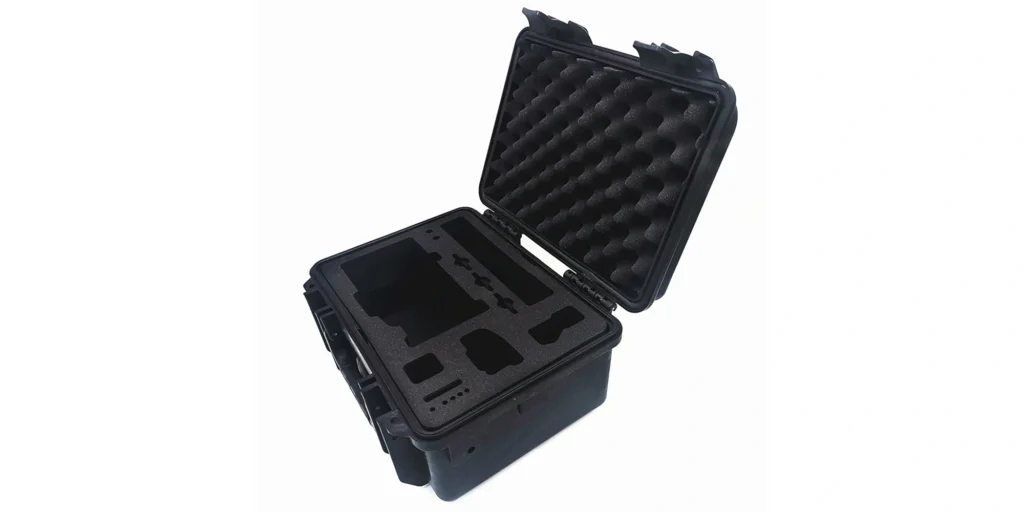
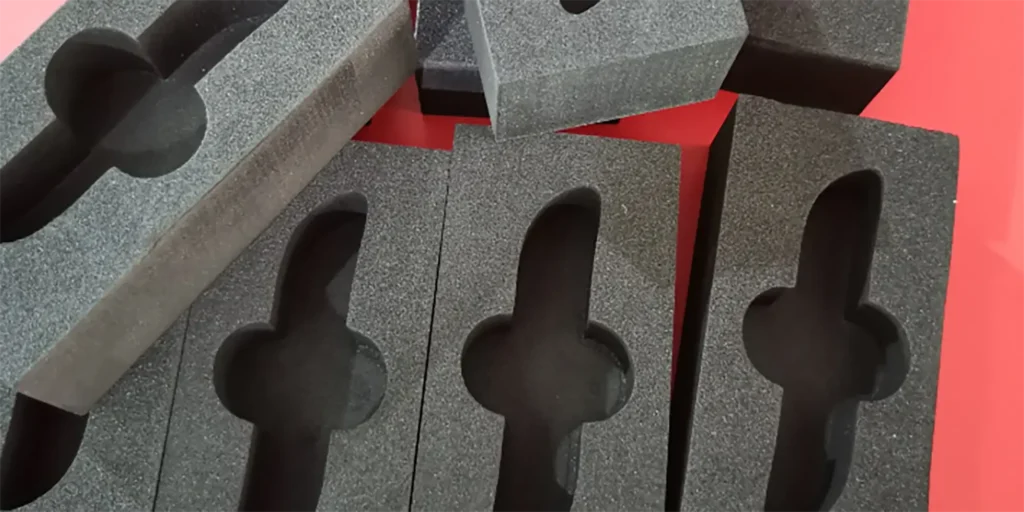
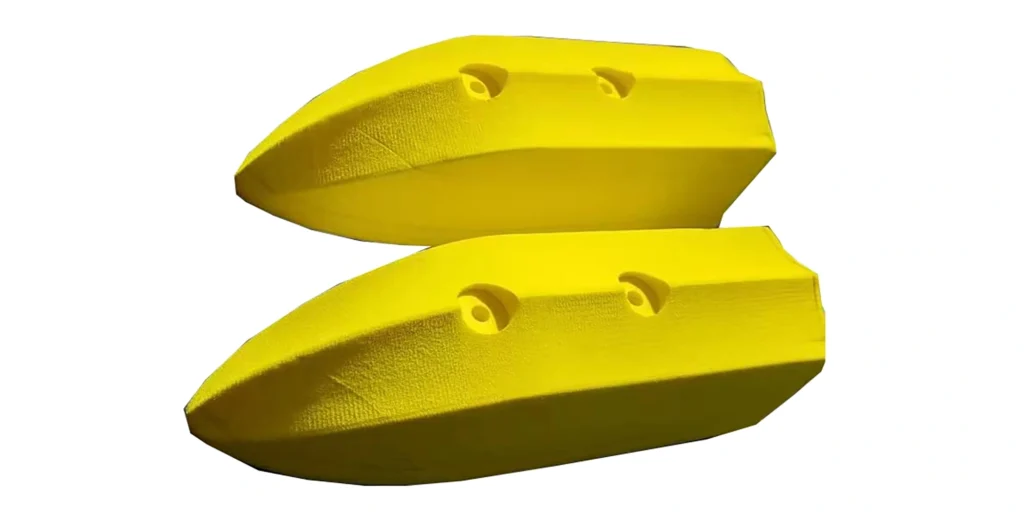
Customization plays a central role in this process. EVA foam sheets can be precisely cut and molded according to client specifications—for instance, optimizing dimensions in electronic packaging to minimize excess material or tailoring density for specific functional requirements in sporting goods. This “production-on-demand” model reduces material wastage by an average of 15-20% while enhancing product efficacy. The 2026 circular economy targets emphasize integrating customization with digital tools (such as AI-driven design software). Enterprises can leverage data-driven optimizations—including pre-production simulations—to forecast material requirements and control waste generation below 5%.
Achieving the 2026 objectives requires the industry to harmonize recycling with customization strategies. Challenges include insufficient recycling infrastructure and technological costs (such as high initial investments in efficient recycling equipment), but opportunities are substantial. EU subsidy programs (e.g., the Sustainable Plastics Fund) incentivize innovative enterprises. Global trends indicate that leading companies (such as footwear brand Adidas) are adopting circular EVA foam, reporting a 25% annual increase in recycling volumes and significant boosts in brand loyalty among environmentally-conscious consumers. Looking ahead, with the adoption of bio-based materials and intelligent recycling systems, EVA foam sheets are poised to evolve from “waste sources” into “circular economy cornerstones,” with the European market projected to exceed €2 billion by 2026.
In conclusion, recyclable customized EVA foam sheets represent not just a pragmatic response to the 2026 EU circular economy objectives, but a strategic innovation empowering enterprises to enhance market competitiveness while mitigating environmental risks. By proactively implementing lifecycle management, businesses can transform regulatory compliance into commercial opportunities, simultaneously achieving economic and sustainability benchmarks.
FAQ
1. What are EVA foam sheets, and in which industries are they commonly used?
EVA foam sheets are plastic materials composed of ethylene-vinyl acetate copolymer, distinguished by their lightweight composition, elasticity, and shock-absorption properties. They are extensively employed in packaging (e.g., protective padding for electronics), sporting goods (e.g., yoga mats and running shoe midsoles), and construction insulation. Their recyclability and customizable designs render them an optimal choice for sustainable manufacturing, particularly in aligning with the EU’s circular economy objectives.
2. Why is recyclability critical for EVA foam sheets? How do they contribute to the EU’s 2026 targets?
Conventional EVA foam’s non-biodegradability contributes to plastic pollution and resource depletion, whereas recyclable variants leverage advanced processes (e.g., chemical recycling) to minimize waste—fulfilling the EU’s 2026 mandate of exceeding 50% plastic recycling rates. These innovations reduce carbon emissions, optimize material reuse, and help enterprises avoid non-compliance penalties, thereby advancing the broader circular economy framework.
3. How is customization achieved for EVA foam sheets? What are its circular economy benefits?
Customized EVA foam integrates digital tools (e.g., CAD software) for precision cutting and molding, tailoring dimensions, density, and functionality to user specifications. This approach curbs raw material waste by 15–20%, reduces supply-chain carbon emissions, and prevents overproduction, aligning with the EU’s 2026 goal of waste minimization through demand-driven manufacturing.
4. What specific requirements define the EU’s 2026 circular economy targets? How should enterprises prepare?
Key 2026 benchmarks (per the Revised Circular Economy Action Plan) include a 55% plastic recycling rate, 30% reduction in virgin plastic usage, and 50% packaging reuse. Enterprises must invest in recycling infrastructure (e.g., EVA-specific recovery lines), adopt bio-based alternatives, and pursue compliance certifications through partnerships, embedding circularity principles at the design phase to mitigate regulatory risks.
5. How can businesses leverage recyclable customized EVA foam to boost sustainability? What challenges exist?
Adopting circular EVA foam slashes carbon footprints by 40% and bolsters eco-label appeal, strengthening market competitiveness and consumer trust. Barriers include high upfront costs (e.g., recycling machinery) and technical skill gaps, though these can be offset via government incentives (e.g., EU Green Funds) and phased implementation strategies, ultimately synchronizing ecological and economic gains.
WELLE Trade has over 20 years of experience in the production and processing of PE/EVA/TPE foams, so you may want to consult with them if you have any sourcing needs.