Abstract
As winter approaches, selecting optimal thermal insulation materials becomes imperative. Amid tightening energy efficiency and environmental regulations, alongside increasingly complex application scenarios, can conventional insulation materials still meet modern demands? High-density EVA foam boards are emerging as a focal point due to their superior properties.
This article presents an in-depth comparative analysis of high-density EVA foam boards and traditional insulation materials (such as foam plastics, rubber, felt, and certain wood/fiber products) in terms of core performance metrics (thermal efficiency, moisture resistance, durability, compressive strength, and eco-friendliness) under frigid conditions.
Through predictive trends and data-driven insights for the 2025 winter season, this study aids decision-making across industries—construction, packaging, equipment protection, and outdoor gear—to identify more reliable insulation solutions. It further highlights why high-density EVA foam may revolutionize winter insulation technology.
Main Content
As winter looms, effective thermal insulation is indispensable—whether for building exteriors, industrial equipment antifreeze measures, cold-chain logistics, or outdoor gear. Traditional materials like EPS (expanded polystyrene), XPS (extruded polystyrene), PU (polyurethane foam), rubber sponge, felt, mineral wool, and wood-fiber products have long dominated the market. However, their limitations are becoming apparent amid the harsher winters, stricter energy standards, and heightened environmental concerns projected for 2025.
In contrast, high-density EVA foam (chemically, ethylene-vinyl acetate copolymer) showcases unparalleled potential as the next-generation winter material due to its unique physicochemical properties. This article meticulously evaluates these materials across key dimensions:
1. Thermal Insulation Efficiency: The “Warmth Barrier” Against Cold Fronts
High-density EVA foam boards:
- Exhibit exceptionally low thermal conductivity (~0.035 W/(m·K)).
- Their dense, closed-cell structure stabilizes internal air pockets, minimizing heat transfer.
- Even in frigid, humid conditions, their insulating performance remains stable.
Traditional materials:
- EPS/XPS/PU: Offer moderate insulation (conductivity: 0.028–0.040 W/(m·K)) but degrade in damp or icy environments (XPS fares slightly better).
- Rubber sponge: Performance varies with density/formulation.
- Felt/mineral wool: Effective when dry but absorb moisture, drastically reducing insulation.
- Wood/fiber products: Prone to moisture absorption, leading to performance decay.
2025 Winter advantage: EVA’s resilience in extreme cold (>70% more stable in wet conditions vs. EPS) makes it ideal for cold-chain packaging, outdoor equipment, and architectural gaps.
2. Moisture and Vapor Resistance: Combating Condensation
EVA foam:
- Closed-cell rates exceed 90%, rendering it virtually waterproof.
- Blocks vapor ingress, preventing insulation failure due to condensation.
- Critical for equipment housings and low-temperature transport.
Traditional materials:
- EPS/XPS: Absorb moisture over time (except XPS, which resists better).
- PU: Moderately closed-cell but susceptible to hydrolysis.
- Felt/wood: Highly hygroscopic; lose insulation when saturated.
2025 Winter advantage: With increasing sleet/rain-snow mixes, EVA’s impermeability outperforms in snow sports gear and pipe insulation.
3. Weather/Freeze Resistance: Enduring Extreme Conditions
EVA foam:
- Withstands temperatures below -40°C.
- Resistant to UV exposure (when treated) and mechanical stress without cracking or losing elasticity.
Traditional materials:
- EPS/XPS/PU: Brittle below -20°C; degrade under UV/cyclic freezing.
- Rubber: Hardens or cracks over time.
- Felt/wood: Decompose or rot.
2025 Winter advantage: EVA’s longevity in roofing insulation and vehicle liners proves superior amid worsening ice storms.
4. Mechanical Strength: Load-Bearing in Snow/Ice
EVA foam:
- High density (≥150 kg/m³) ensures compressive strength and dimensional stability, even under dynamic loads (e.g., foot traffic, stacking).
Traditional materials:
- EPS/XPS: Crush easily.
- PU/Rubber: Suffer permanent deformation.
- Felt/wood: Collapse under pressure.
2025 Winter advantage: EVA supports heavy loads in freezer floors and construction sites.
5. Eco-Friendliness: Aligning with Sustainability
EVA foam:
- Lightweight, recyclable, and free of CFCs/toxins (complying with REACH/RoHS).
Traditional materials:
- EPS/XPS/PU: Difficult to recycle; may emit harmful fumes.
- Felt/wood: Resource-intensive or chemically treated.
2025 Winter advantage: EVA’s low carbon footprint meets green building certifications.
Conclusion
For 2025’s multifaceted winter demands, high-density EVA foam eclipses traditional materials in insulation stability, moisture resistance, durability, and eco-compliance. While not universally superior (e.g., for ultra-high loads), it excels in critical applications like precision sealing, outdoor gear, and cold storage. By selecting optimal density/thickness, EVA delivers enduring protection against winter’s harshest challenges.
FAQ
Q1: Where is EVA foam most applicable in winter?
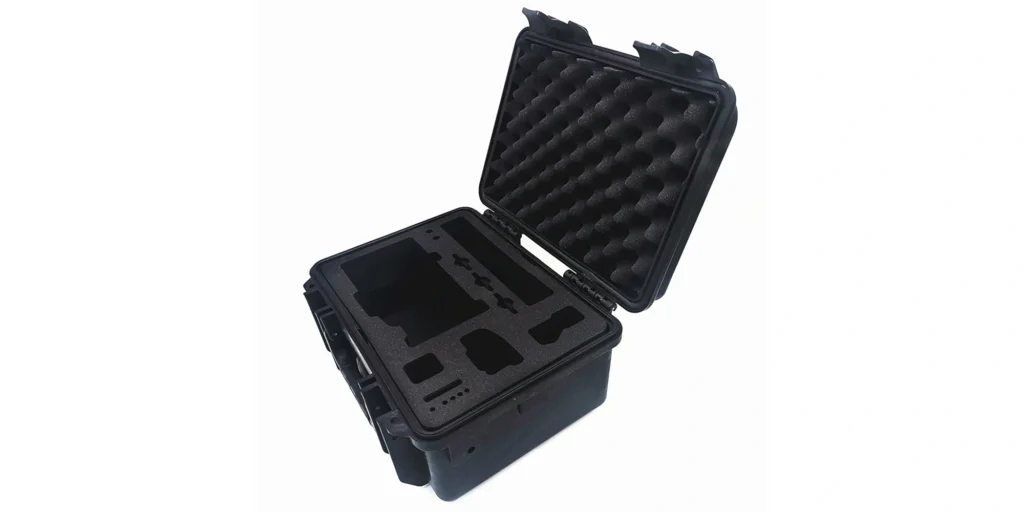
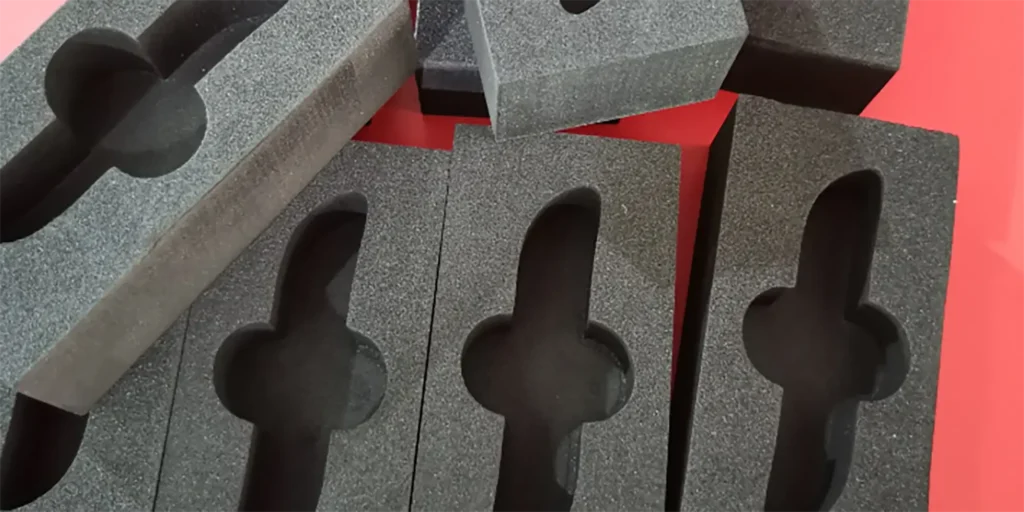
A1: Ideal for construction gaps, pipe insulation, cold-chain packaging, and outdoor gear (e.g., ski boots, helmet liners).
Q2: How does EVA resist moisture?
A2: Its closed-cell structure (<1% water absorption) prevents saturation, unlike hygroscopic materials like felt.
Q3: Compared to PU/EPS, how does EVA perform thermally?
A3: Slightly higher conductivity (~0.035 vs. 0.028 for XPS) but maintains efficiency in wet/cold extremes where others fail.
Q4: Why focus on winter performance?
A4: Winter exacerbates material weaknesses (e.g., brittleness, moisture absorption), making EVA’s advantages most pronounced. Year-round usability is assured.
Q5: Key purchasing criteria for winter-grade EVA?
A5: Prioritize density (≥150 kg/m³), thickness, freeze resistance (-40°C), closed-cell rate (>85%), and certifications. Demand technical datasheets from suppliers.
WELLE Trade has over 20 years of experience in the production and processing of PE/EVA/TPE foams, so you may want to consult with them if you have any sourcing needs.