July 2025

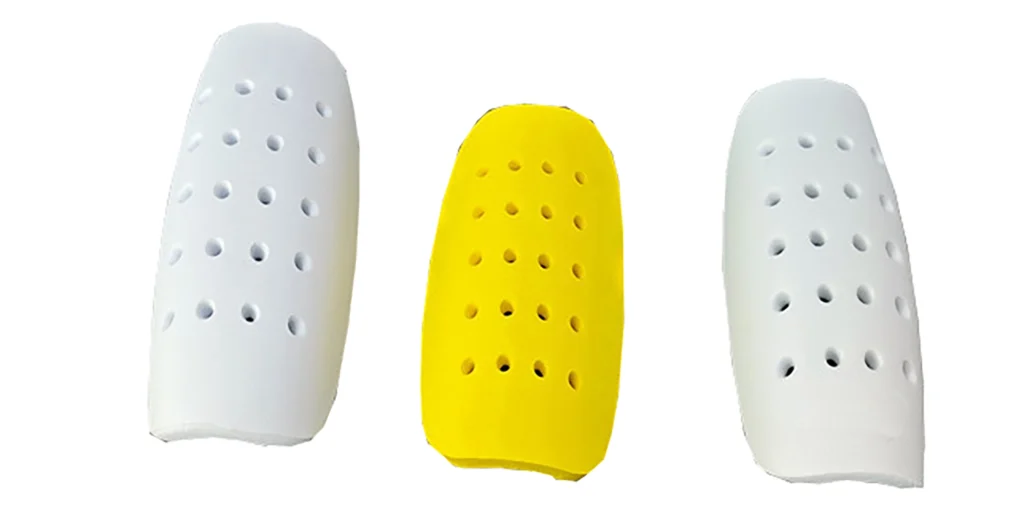
three soccer shin guards. Two are white and one is bright yellow. All have multiple ventilation holes to enhance breathability during use. These guards are designed to protect players’ shins during matches or training, likely made from lightweight, shock - absorbing materials for comfort and impact resistance.

The Hidden Truth About Children’s Play Mat Materials: Why EVA Emerges as the Safest Choice in the Parent-Child Market

Abstract This article provides an in-depth analysis of the current children’s play mat market, with a special focus on why EVA (ethylene-vinyl acetate) material has become the preferred safety standard for parents. From physical properties and safety certifications to market performance, we explore the multifaceted advantages of EVA, offering expert guidance for selecting reliable play […]
The Hidden Truth About Children’s Play Mat Materials: Why EVA Emerges as the Safest Choice in the Parent-Child Market Read More »

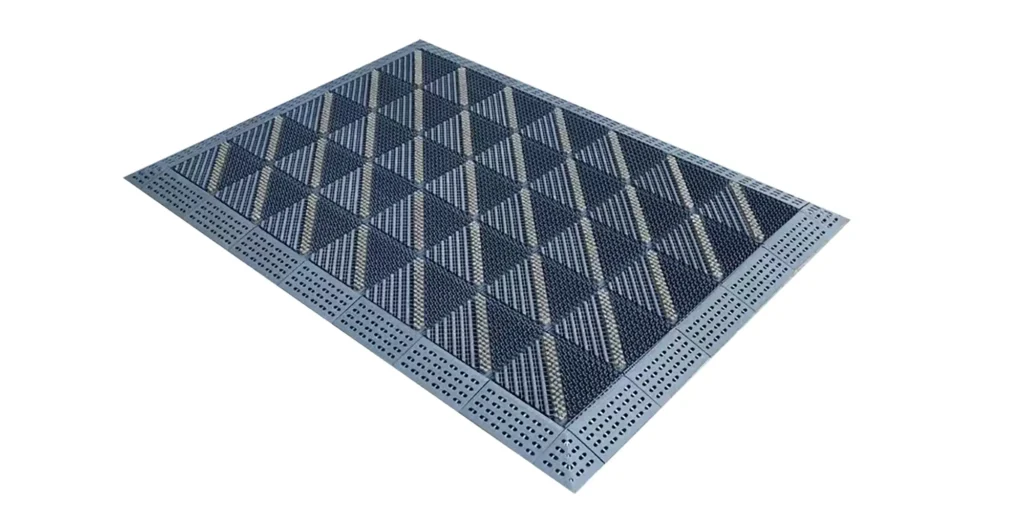
a modular entrance mat designed for high - traffic commercial or public spaces. The mat consists of interlocking sections, featuring a grid pattern with alternating dark and light - colored elements. The perimeter of the mat has a perforated design, likely to aid in water drainage and debris removal. Such mats are commonly used at building entrances to scrape dirt and moisture from footwear, helping to maintain clean and safe interior floors. The modular nature allows for easy replacement of individual sections if damaged and customization of size to fit different doorways.

Cost-Effectiveness and Environmental Impact: Choosing Between PE and EVA Foam for Home DIY Projects

AbstractThis study examines polyethylene (PE) and ethylene-vinyl acetate (EVA) foams for household DIY applications through comparative analysis of cost efficiency and ecological considerations. The research provides discerning craft enthusiasts with data-driven insights for material selection that harmonizes budgetary constraints with sustainable practices. Comparative Material Properties When selecting materials for domestic DIY endeavors, PE and EVA

Cost-Effectiveness and Environmental Impact: Choosing Between PE and EVA Foam for Home DIY Projects Read More »

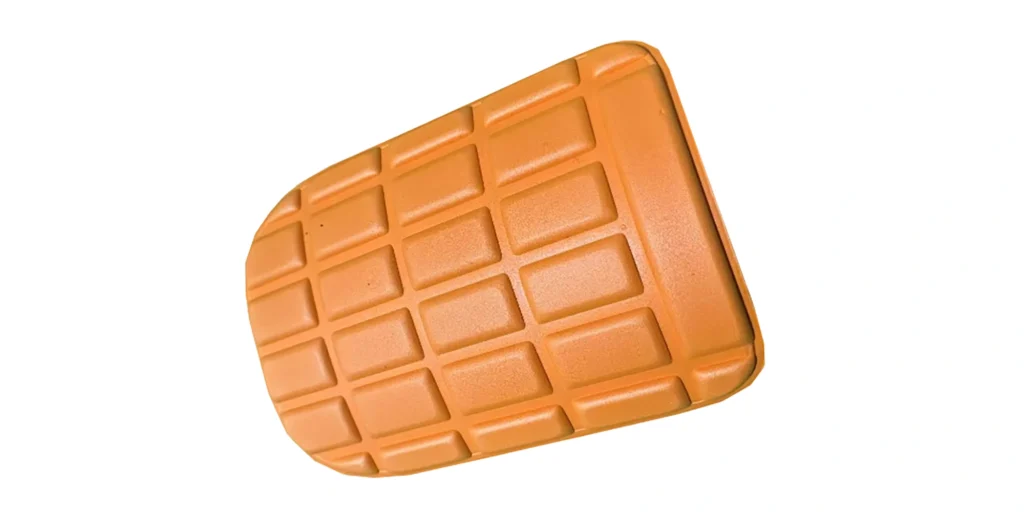
a single, orange - hued pad made of what appears to be rubber or a similar flexible plastic material. It has a rectangular shape with rounded edges. The surface features a grid pattern, consisting of evenly spaced, raised rectangular sections that form a series of small, square - like compartments. This design likely serves to enhance grip, provide cushioning, or aid in drainage, making it suitable for applications such as tool handles, floor mats, or protective padding.

Performance Differences Between PE and EVA Foam Materials: An In-Depth Analysis for Household Packaging and Sports Protective Gear

Abstract Polyethylene (PE) foam and ethylene-vinyl acetate (EVA) copolymer foam are two prevalent cushioning and packaging materials extensively utilized in household packaging and sports protective applications. These materials exhibit notable differences in density, elasticity, thermal resistance, and compressive strength. This paper provides a comprehensive comparative analysis of their properties to guide optimal material selection based

Performance Differences Between PE and EVA Foam Materials: An In-Depth Analysis for Household Packaging and Sports Protective Gear Read More »

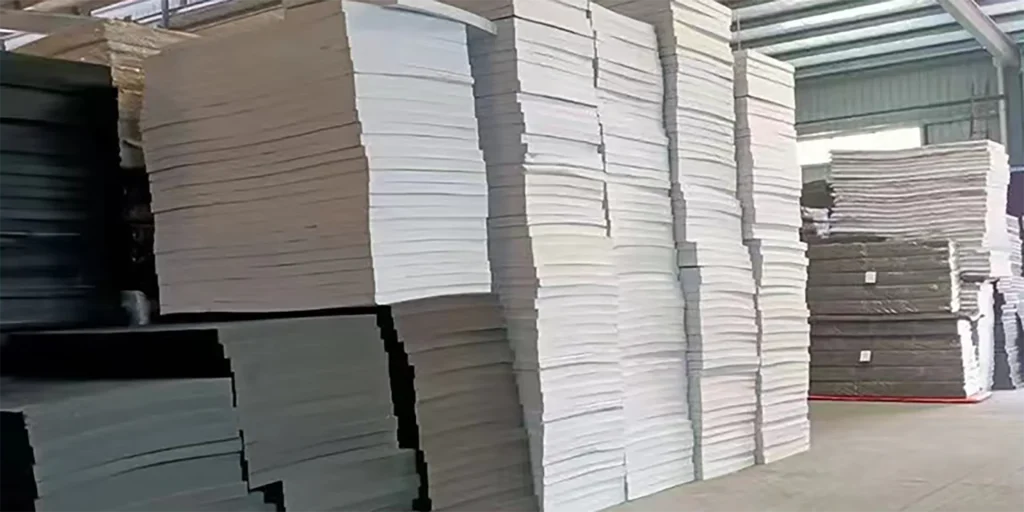
a large warehouse interior showcasing substantial stacks of foam sheets. The sheets are primarily in white and gray tones, neatly piled in tall, orderly stacks. The warehouse features a spacious, industrial - style setting with a metal roof structure visible overhead. These foam materials are likely used for applications such as product packaging, cushioning, or thermal insulation in various industrial and manufacturing processes.

The Application of PE Foam in Acoustic Wall Panels: A Cost-Effective Secret for Improving Indoor Sound Environments

Abstract In residential settings, noise pollution frequently compromises quality of life. While conventional soundproofing materials prove costly and installation-intensive, polyethylene (PE) foam emerges as an ideal solution—combining lightweight properties, high elasticity, affordability, and exceptional acoustic performance. This paper examines PE foam’s advantages in soundproof wall panel applications, demonstrating its cost-effective approach to acoustic optimization while

The Application of PE Foam in Acoustic Wall Panels: A Cost-Effective Secret for Improving Indoor Sound Environments Read More »

Scroll to Top